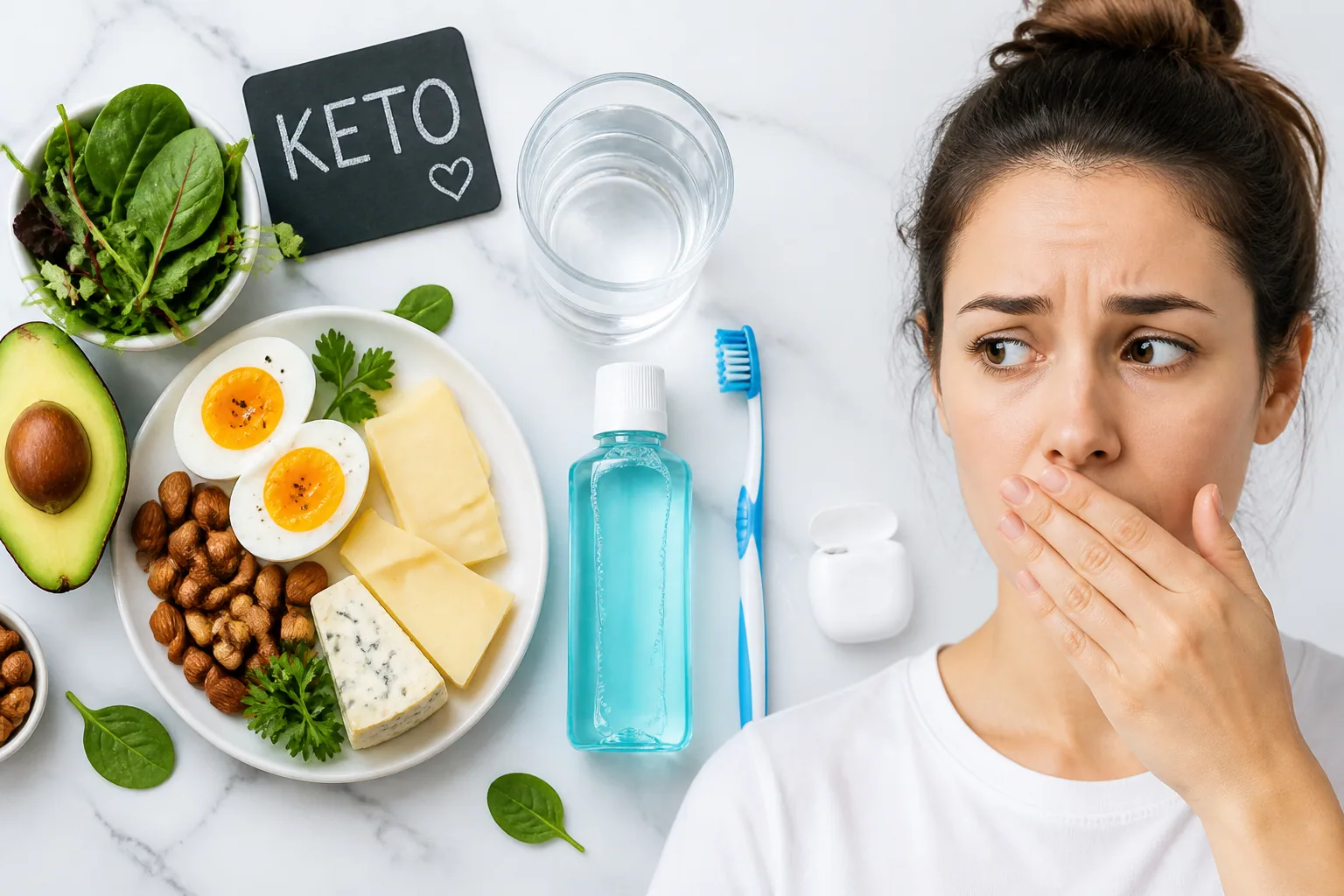
Keto Oral Health: What Really Happens to Your Teeth, Gums, and Breath on a Low-Carb Diet
When people start keto, they usually expect changes in energy, appetite, and weight. What often surprises them is what happens in the mouth. Breath can turn sharp and fruity, saliva can feel thinner or scarcer, and some people notice more sensitivity, irritation, or a strange metallic taste. Those changes are not just annoying side effects. They can tell you a lot about how ketosis is affecting your hydration, your oral bacteria, and your daily habits.
The good news is that keto does not automatically mean poor oral health. In fact, lower carbohydrate intake may reduce the sugar fuel that drives acid-producing bacteria, and some research suggests low-carb eating can support healthier gums. Still, the early transition period can be rough, especially if electrolyte loss, dry mouth, and frequent snacking are not managed well. The goal is to understand what is happening so you can protect your teeth and gums without giving up ketosis.
Why Oral Health Deserves Attention on Keto
Oral health deserves more attention on keto because the mouth is one of the first places where the diet’s metabolic shift becomes visible. Unlike weight loss, which may take weeks to show, oral symptoms can appear within days. That means the mouth often gives an early signal that your body is moving into ketosis, adapting to lower glucose availability, and changing the way it handles water and minerals.
This matters because saliva is not just moisture. It helps wash away food debris, buffers acids, supports enamel remineralization, and keeps tissues comfortable. When saliva flow drops, the mouth becomes more vulnerable to plaque buildup, irritation, and bad breath. For someone on keto, those issues may be temporary, but they should not be ignored if they persist.
What Ketosis Does to Saliva, Mouth pH, and Oral Bacteria
In the early phase of keto, many people lose water and electrolytes quickly as glycogen stores are depleted. That water shift can reduce saliva production and create a dry, sticky mouth. Some people describe it as cotton mouth, and it can make swallowing, speaking, and even tasting food less pleasant. When saliva flow slows, the mouth also loses some of its natural cleaning and buffering power.
Mouth pH matters because enamel begins to demineralize when conditions become too acidic, with a critical threshold often cited around pH 5.5. A low-sugar keto pattern may reduce the frequent bacterial fermentation that normally pushes the mouth toward acidity, which can be helpful. At the same time, a dry mouth with less buffering can make acids linger longer. So the effect of keto on pH is not one-directional. It depends on hydration, food choices, and oral hygiene.
The balance of oral bacteria can also shift when carbohydrates drop. Less sugar means less easy fuel for acid-producing microbes, which may be one reason low-carb diets have been associated with periodontal benefits. A 2024 review in Springer noted therapeutic potential for ketogenic diets against periodontal inflammation, and a 2021 study in Nature suggested that even dietary carbohydrate reduction may lower periodontal inflammation as an adjunct to standard therapy. Sources: https://link.springer.com/article/10.1007/s40496-024-00376-1 and https://www.nature.com/articles/s41407-021-0783-9
Keto Breath Explained: Why It Happens and What It Means
Keto breath is one of the most recognizable signs of ketosis. The smell is usually described as fruity, metallic, or like nail polish remover. That odor is caused mainly by acetone, one of the ketone bodies produced when the body burns fat for fuel. Acetone is expelled through the lungs, which is why brushing your teeth alone does not completely remove the smell.
This is an important point: keto breath is usually metabolic, not bacterial. In other words, it is not the same kind of bad breath caused by plaque buildup or food trapped between the teeth. Breath acetone can rise significantly during ketosis, with research noting levels around 40 ppm in people on keto, compared with about 0.5 to 2.0 ppm in non-keto states. Breath acetone also correlates with blood β-hydroxybutyrate, which is why it can be used as a noninvasive marker of ketosis. Source: https://pmc.ncbi.nlm.nih.gov/articles/PMC4737348/
Timing is also useful to know. Keto breath often appears within a few days to one week after starting the diet, usually peaks in weeks 1 to 2, and then fades over 1 to 3 months as the body adapts. Sources: https://beketo.uk/ketosis/breath/ and https://www.newmouth.com/blog/keto-diet/
If your breath smells especially ammonia-like or unusually harsh, protein intake may be part of the story. Keto is not a high-protein diet by default, and when protein is too high relative to fat and total energy needs, protein breakdown can contribute ammonia odors sometimes described as Windex-like. That does not necessarily mean something is wrong, but it does mean your macro balance may need a second look.
Can Low-Carb Eating Protect Against Cavities?
There is a reasonable argument that keto may help protect against cavities in some people. Cavities are strongly driven by fermentable carbohydrates, especially frequent sugar exposure. When those exposures fall, acid-producing bacteria have less to work with, which can reduce the repeated acid attacks that damage enamel over time.
That said, keto is not a magic shield. Cavities are still possible if dry mouth is severe, if snacking is frequent, or if the diet includes many acidic drinks and products. The most important thing is that cavity risk depends on the entire oral environment, not just carb grams. Good saliva flow, fluoride exposure, and consistent cleaning still matter.
A practical takeaway is that keto may reduce one major cavity driver while creating another challenge, which is dryness. So the net effect on teeth depends on whether you are replacing sugar-heavy foods with tooth-friendly meals, or simply shifting into a dehydrating routine with more coffee, fewer minerals, and less saliva.
The Hidden Risks: Dry Mouth, Enamel Erosion, and Gum Inflammation
Dry mouth is the most common oral issue people notice early on keto. As sodium, potassium, and magnesium shift during the transition, fluid balance can become harder to maintain. Less saliva means less cleansing, less acid neutralization, and less natural protection for the enamel surface. According to xerostomia and dental caries research, dry mouth increases the risk of tooth decay and gum disease by reducing these protective effects. Source: https://en.wikipedia.org/wiki/Xerostomia_and_Dental_Caries
Enamel erosion is often discussed online as if keto directly causes it, but the evidence is much weaker than people assume. There is little direct evidence that keto itself erodes enamel. Erosion is more often linked to acidic beverages, frequent acid exposure, low buffering capacity, and reduced saliva. If someone on keto drinks lots of carbonated water with citrus, acidic supplements, or sugar-free sour products, the diet pattern may indirectly increase erosion risk even if carbs stay low.
Gum inflammation is another area to watch. While low-carb eating may reduce periodontal inflammation in some settings, gums can still become irritated if the mouth is dry or plaque is not removed effectively. If your gums bleed more easily, look puffy, or feel tender, the problem may not be ketosis itself. It may be the combination of dehydration, mouth breathing, incomplete cleaning, or too many acidic habits layered on top of keto.
Warning Signs to Catch Early
Most keto-related mouth changes are manageable, but certain signs deserve attention. Persistent dry mouth, worsening bad breath after the adaptation period, unusual mouth sores, a burning tongue, or increased sensitivity to hot and cold can all point to a problem that needs adjustment. Bleeding gums, swelling, or pain are especially worth monitoring because they may indicate inflammation or periodontal disease rather than a simple keto side effect.
Watch for breath that does not improve after the first few weeks of keto, especially if it is paired with dizziness, fatigue, or very dark urine. That may suggest dehydration or electrolyte imbalance rather than just normal ketosis. If you are brushing well but the odor remains strong, it can help to evaluate protein intake, hydration, and meal timing before assuming the issue is only oral.
How to Manage Keto Breath Without Breaking Ketosis
The easiest way to reduce keto breath is to support the body’s transition instead of trying to mask the symptom alone. Start with hydration, because a dry mouth makes odors stronger and gives bacteria a better chance to linger. Add sodium, potassium, and magnesium as appropriate for your diet and health needs, since electrolyte imbalance can worsen cotton mouth during early keto.
Chewing sugar-free gum can help because chewing stimulates saliva flow, which improves buffering and helps wash away odor-causing compounds. Eating fibrous low-carb vegetables can also encourage saliva and mechanical cleaning. Another useful strategy is to avoid long gaps between meals if that leads to a very dry mouth, though you do not need to snack constantly just to fight breath.
If the smell is strong because ketosis is deep, remember that breath acetone is a marker of fat metabolism. You do not necessarily need to force it away. Instead, focus on comfort and oral cleanliness. In some cases, the odor naturally fades as the body adapts after the first one to three months.
Keto-Friendly Foods and Nutrients That Support Teeth and Gums
A well-built keto diet can be very tooth-friendly if it emphasizes whole foods. Leafy greens, avocado, eggs, fatty fish, cheese if tolerated, and non-starchy vegetables all fit well and provide nutrients relevant to gum and enamel health. Calcium, phosphorus, vitamin D, and vitamin K2 matter for mineral balance, while vitamin C supports connective tissue in the gums.
Fatty fish and eggs can support vitamin D intake, while leafy greens and nuts contribute magnesium and other minerals. Crunchy low-carb vegetables like celery and cucumber can help with chewing and saliva stimulation. If you rely heavily on packaged keto snacks, the quality of the diet may worsen even if the carb count stays low, so ingredient awareness matters.
It is also worth being cautious with highly acidic keto drinks, flavored waters, and excessive coffee. These can dry the mouth or weaken enamel even if they fit your macros. The best keto diet for oral health is not just low carb. It is also nutrient dense, minimally acidic, and hydration friendly.
Best Oral Care Habits for People on Keto
The basics still win. Brush twice daily with fluoride toothpaste, floss or clean between teeth once daily, and do not skip tongue cleaning if your breath is a concern. Because dry mouth can make plaque more sticky, consistency matters even more on keto than it might otherwise. If you wake up with a dry mouth, brushing before bed becomes especially important.
Hydration should be part of oral care, not an afterthought. Sip water regularly, especially during the first weeks of keto. If you use mouthwash, choose a version that does not worsen dryness. Alcohol-heavy rinses can sometimes make a dry mouth feel worse. Sugar-free gum or lozenges can help if you need extra saliva support during the day.
It can also help to time oral care around your meals. Rinse after acidic foods, avoid brushing immediately after consuming something very acidic, and give enamel a chance to recover before scrubbing. If you are snacking on keto-friendly acidic foods often, the cumulative exposure may matter more than the carb content.
When to See a Dentist About Keto-Related Mouth Changes
You should talk to a dentist if dry mouth lasts longer than a few weeks, if bad breath remains severe after the adaptation phase, or if you notice bleeding gums, tooth pain, enamel wear, or mouth sores. Keto may be the trigger, but the underlying issue could still be dehydration, medications, gum disease, or another oral health problem.
A dentist can help distinguish between normal keto breath and a sign of deeper trouble. They can also check whether your gums are inflamed or whether enamel is becoming vulnerable due to dryness or acid exposure. If you are using a low-carb diet for weight loss, metabolic health, or family planning, it is better to correct mouth symptoms early than wait for them to become chronic.
Special Considerations for Kids and Family Low-Carb Diets
For children, any restrictive eating pattern deserves extra care. Kids have different nutrient needs, and their oral health is influenced by growth, snacking patterns, saliva flow, and oral hygiene habits. If a family is eating low-carb, the focus should stay on balanced meals, adequate hydration, and avoiding overly rigid food rules that leave children short on fiber or key vitamins.
Parents should also pay attention to breath changes in children. A fruity or acetone-like smell can simply reflect ketosis, but if a child has illness symptoms, excessive thirst, vomiting, or unusual fatigue, medical evaluation is important. For family low-carb diets, the safest approach is usually whole foods, regular dental checkups, and enough minerals to support normal development.
How to Stay in Ketosis Without Sacrificing Your Smile
The best way to protect your smile on keto is to make the diet more complete, not more extreme. Keep protein at a moderate level, drink enough water, replace lost electrolytes, and choose foods that support saliva and nutrients instead of relying on snacks and highly processed keto products. The mouth usually does better when the whole system is supported.
If you want a simpler way to stay on track at the grocery store while choosing better foods for your teeth and gums, a tool like Keeto - Keto Made Easy can help you scan products quickly and keep your carb choices aligned with your goals: https://findthe.app/keeto-5m0vbj
Keto and oral health are closely connected, but not in a way that should scare you off the diet. Keto breath, dry mouth, and temporary saliva changes are common, especially early on. With hydration, mineral support, smart food choices, and consistent oral care, most people can stay in ketosis and keep their teeth and gums in good shape.